The Ultimate Guide to Siding Fixes: Enhancing Your Property’s Value
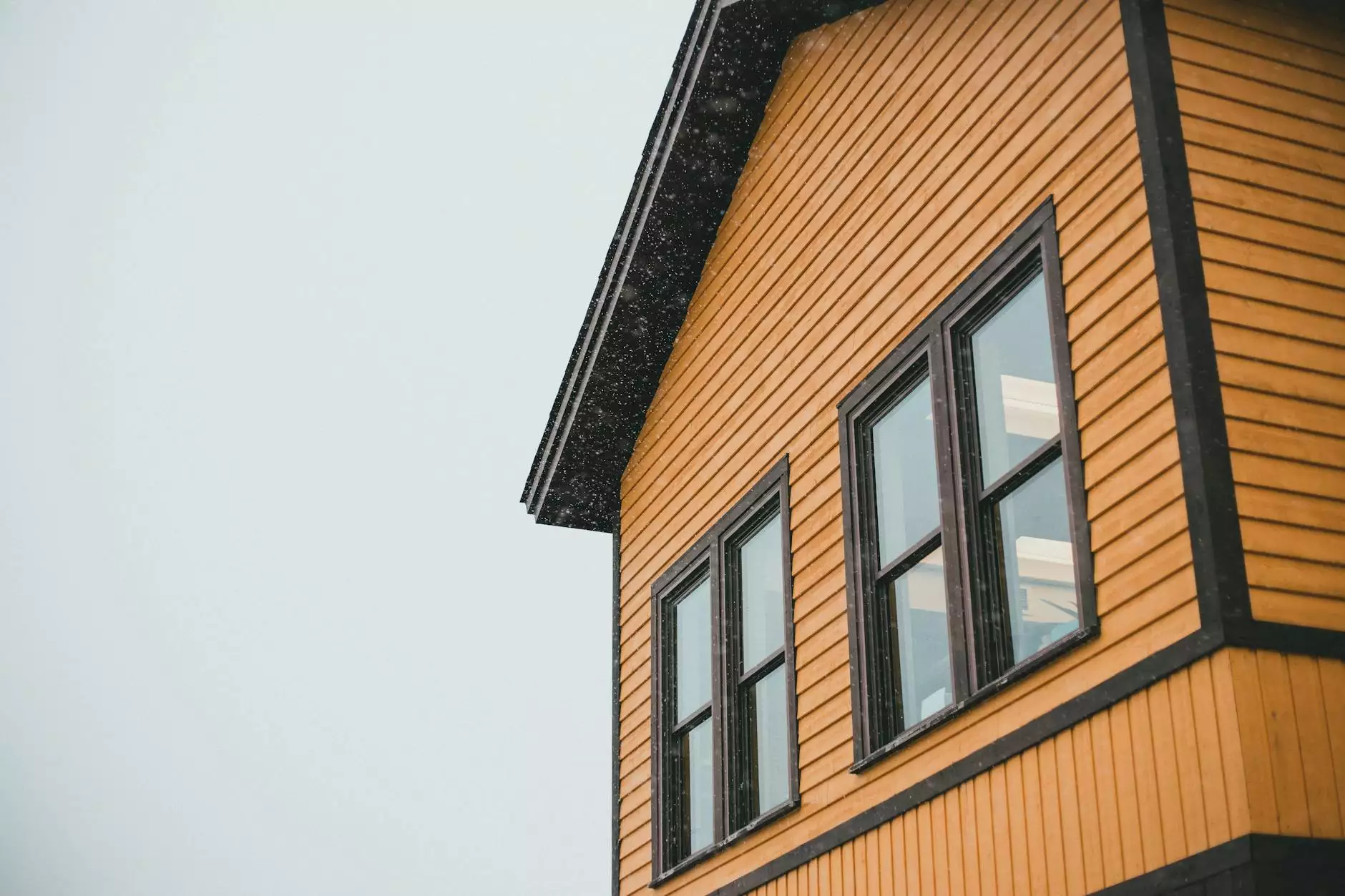
If you're a homeowner, maintaining the integrity and aesthetics of your property is crucial. One of the key elements contributing to your home’s overall appearance and protection is the siding. However, with time, weather exposure, and wear and tear, your siding may require some attention—often referred to as a siding fix. In this extensive guide, we will delve into everything you need to know about siding fixes, including how to assess damage, the types of siding available, fixing techniques, and the benefits of proper maintenance.
Understanding Siding: The First Line of Defense
Siding serves multiple purposes for your home. Not only does it protect against the elements, but it also contributes significantly to the exterior design and energy efficiency of your house. Here’s why ensuring your siding is in optimal condition is paramount:
- Protection Against Weather: Siding shields your home from rain, wind, and snow. Proper installation and maintenance help prevent moisture intrusion, which can lead to more severe issues like mold and wood rot.
- Energy Efficiency: Good siding helps insulate your home, reducing heating and cooling costs. This is crucial in today’s economy.
- Curb Appeal: The aesthetic value of your home increases with well-maintained siding, enhancing your property’s market value.
Assessing Siding Damage: When to Consider a Siding Fix
Recognizing when your siding needs attention is vital for homeowners. Here are some signs indicating that a siding fix may be necessary:
1. Visible Damage
Check for cracks, splits, or holes in your siding material. These can lead to further damage if not addressed promptly.
2. Warping or Buckling
Changes in temperature and humidity can cause siding to warp. This isn’t just an aesthetic concern; it can also compromise insulation.
3. Fading or Discoloration
Sun exposure can fade your siding over time, making your home look aged. If you notice significant fading, it may be time for a refresh or repair.
4. Mold or Mildew Growth
Growths on siding can indicate moisture problems. If you see mold or mildew, it’s a sign that your siding may require a siding fix to ensure proper functionality.
Common Types of Siding and Their Unique Fixes
Understanding the various types of siding materials is crucial in determining the best way to manage a siding fix. Below, we outline common siding materials and tips for addressing their specific repairs.
Vinyl Siding
Vinyl siding is one of the most popular choices due to its affordability and low maintenance. However, it can crack or become discolored over time. Here’s how to fix it:
- Cracked Panels: For small cracks, a vinyl repair kit can be used to smooth over and seal the damage.
- Repainting Faded Siding: If your siding has lost its color, consider applying a specialized vinyl-safe paint.
Wood Siding
Wood siding offers a classic aesthetic but requires more upkeep. If you notice warping or rot, follow these tips:
- Replace Damaged Boards: You might need to cut out affected sections and install new planks.
- Regular Sealing: Ensure you seal your wood siding to prevent future weather damage.
Fiber Cement Siding
This durable material can withstand harsh weather, but it may crack under extreme conditions. Here’s how to maintain it:
- Crack Repair: Use caulking designed for fiber cement to fill any gaps or cracks.
- Painting: Fiber cement siding can be repainted, but it should be cleaned and primed beforehand to ensure adhesion.
Professional vs. DIY: Choosing the Best Approach for Your Siding Fix
Deciding whether to tackle a siding fix on your own or hire a professional can be challenging. Here are considerations for each option:
DIY Siding Fixes
For homeowners who are handy and enjoy DIY projects, small fixes and maintenance tasks can be a rewarding approach. Here are some benefits:
- Cost-Effective: You can save on labor costs by performing repairs yourself.
- Control Over Process: DIY gives you complete control over the project timeline and methods used.
Hiring a Professional
While DIY can be beneficial, certain situations call for professional expertise, particularly when:
- Extensive Damage: If the damage is widespread, a professional may better assess structural integrity and implement appropriate solutions.
- Lack of Experience: If you're unfamiliar with siding materials or repair techniques, hiring an expert ensures the job is done correctly.
The Benefits of Timely Siding Fixes
Addressing siding issues promptly can lead to a myriad of benefits for your home:
1. Improved Energy Efficiency
Unaddressed siding damage can lead to drafts and increased energy costs. A siding fix can restore insulating properties, helping you save on bills.
2. Enhanced Curb Appeal
Well-maintained siding enhances the visual appeal of your home, which is especially important if you plan to sell or rent your property.
3. Preventative Maintenance
Regular siding fixes can prevent minor issues from escalating into significant, costly repairs, protecting your long-term investment.
Conclusion: Elevating Your Home's Value with Proper Siding Fixes
Maintaining and repairing your siding not only preserves your home's exterior but also contributes to its overall value and energy efficiency. Whether you choose to embark on a DIY project or hire a professional, understanding the nuances of a siding fix ensures your home remains a beautiful, secure place for years to come. For those seeking expert assistance, consider reaching out to gutterserviceusa.com for quality services in roofing and siding solutions. Remember, effective maintenance today leads to a more resilient home tomorrow!