Affordable and Sustainable: The Rise of Used Goods for Sale
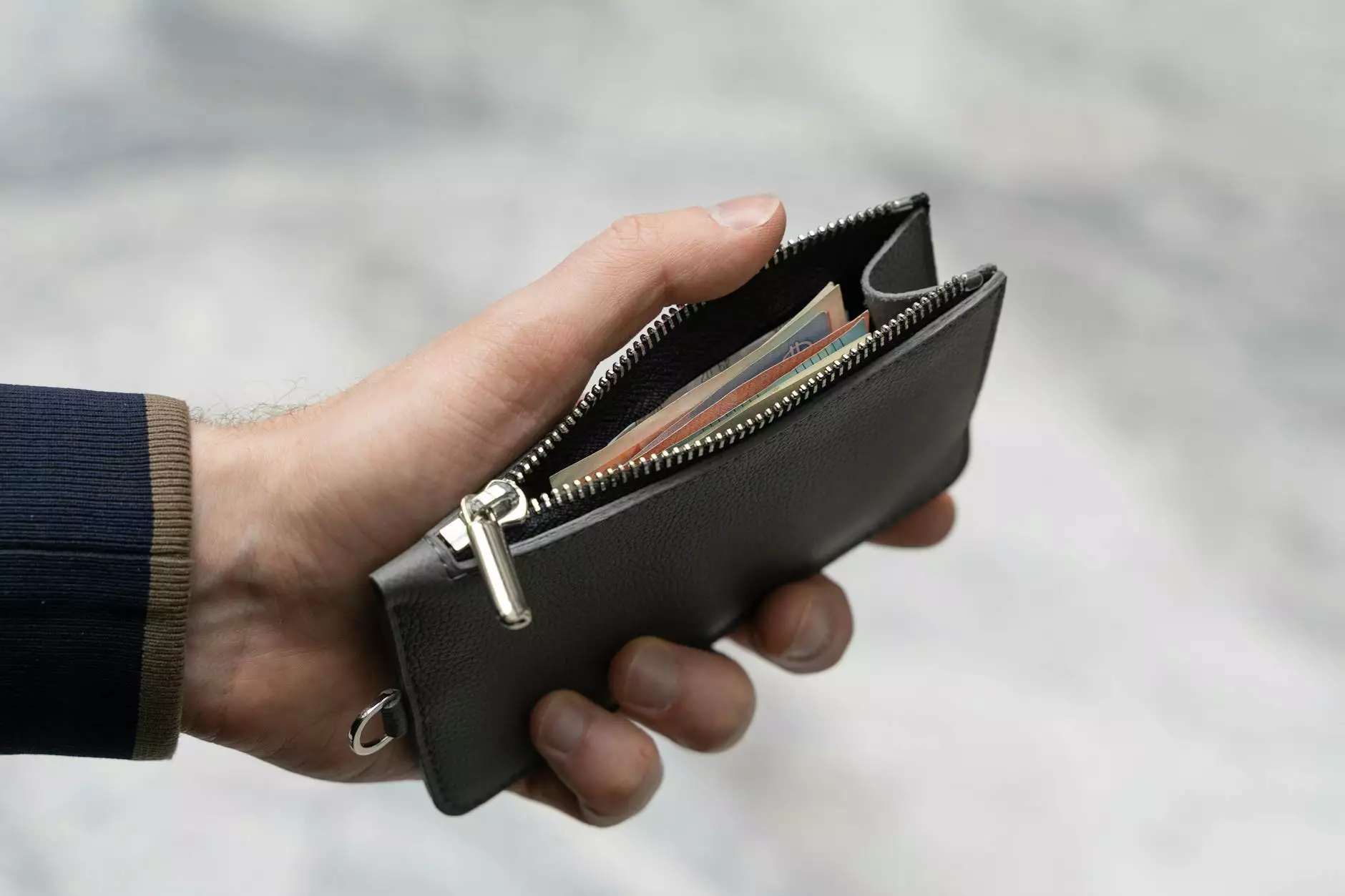
The concept of used goods for sale has transcended mere thriftiness, evolving into a vibrant market segment that appeals to eco-conscious consumers and budget-conscious shoppers alike. With the rise of sustainability as a global imperative, purchasing pre-owned items is becoming more than just a trend; it’s a lifestyle choice that offers numerous benefits. In this article, we will explore the multifaceted world of used goods, covering everything from where to find them to the positive impacts they have on our environment and economy.
Understanding the Market for Used Goods
The market for used goods for sale encompasses a diverse range of products, from clothing and furniture to electronics and vehicles. With platforms such as eBay, Craigslist, and dedicated local marketplaces, the purchasing and selling of used items have never been easier. The second-hand market is projected to grow substantially in the coming years, driven by both millennials seeking affordable options and the growing awareness of the environmental impact of consumerism.
The Benefits of Buying Used
Why should consumers consider buying used goods for sale? Here are several reasons:
- Affordability: One of the most immediate benefits is cost savings. Used items are generally priced significantly lower than brand-new products, making it easier for consumers to find high-quality goods within their budget.
- Environmental Impact: Purchasing used goods reduces waste and the demand for new resources. By choosing second-hand, consumers contribute to less landfill waste and a smaller carbon footprint.
- Unique Finds: The used goods market is a treasure trove of unique and vintage items that aren’t available in mainstream retail stores. Shoppers often find one-of-a-kind pieces that add character to their living spaces.
- Quality: Many used items, especially antiques and vintage goods, are often more durable than today's mass-produced alternatives. Shopping for used goods allows consumers to acquire high-quality items that stand the test of time.
Where to Find Used Goods for Sale
Finding used goods for sale can be an adventure in itself. Various platforms and venues cater to the sale of second-hand items:
Online Marketplaces
Online marketplaces have revolutionized the way people buy and sell used goods. Some popular platforms include:
- eBay: A well-established online auction site where users can bid on used items or buy them outright.
- Craigslist: A classifieds website offering a local trading platform where users can buy and sell virtually anything, including furniture, electronics, and vehicles.
- Facebook Marketplace: A growing platform that allows users to buy and sell items within their local community easily.
- Poshmark: Focused primarily on fashion, Poshmark allows users to buy and sell second-hand clothing and accessories.
Local Thrift Stores and Consignment Shops
Thrift stores and consignment shops provide a physical location where consumers can browse through a curated selection of second-hand goods, including:
- Goodwill: A nonprofit organization that operates stores across the United States, selling donated items.
- Plato's Closet: Specializing in gently used clothes, especially for teens and young adults, this chain offers a wide variety of fashion items.
- Local Consignment Shops: These stores often volunteer local sellers to showcase their used items, offering a valuable local shopping experience.
Flea Markets and Garage Sales
Nothing beats the thrill of hunting for treasure at a flea market or garage sale. These venues allow you to find truly unique second-hand items while enjoying a community atmosphere:
- Flea Markets: Often held on weekends, these markets bring together multiple vendors offering everything from antiques to artisan crafts.
- Garage Sales: Neighbors often host these sales to declutter their homes. Look for signs in your neighborhood to find hidden gems!
The Positive Environmental Impact of Purchasing Used Goods
The environmental benefits of buying used goods for sale are significant and often underestimated. By choosing used items, consumers actively participate in reducing waste and conserving resources.
Minimizing Waste
Each year, millions of tons of waste are generated from discarded items. When consumers buy used, they help extend the life of these products, thereby minimizing waste:
- Landfill Contributions: Purchasing used goods keeps items out of landfills, reducing the overall waste generated by consumer goods.
- Resource Conservation: The more we buy used, the fewer new items need to be produced, preserving vital resources required for manufacturing.
Reducing Environmental Footprint
Consumer habits can significantly impact the environment. Buying used goods helps decrease the carbon footprint associated with the production and transportation of new items:
- Energy Use: Manufacturing new products consumes a significant amount of energy. By purchasing used goods, consumers can minimize the demand for new production.
- Emissions Reduction: Each new item produced contributes to greenhouse gas emissions. Choosing second-hand reduces the overall environmental impact.
Economic Benefits of the Used Goods Market
The used goods for sale market creates economic benefits that extend beyond individual consumer savings:
Supporting Local Economies
When consumers shop at local thrift stores, flea markets, or garage sales, they often support small businesses and individuals. This helps stimulate local economies:
- Job Creation: Thrift stores and consignment shops often create jobs for community members.
- Community Involvement: Local sales foster community interaction and the sharing of resources.
Affordable Options for All
In today's economy, not everyone has the luxury of spending money on new items. Used goods provide affordable alternatives:
- Accessible Shopping: Individuals from all socio-economic backgrounds can find affordable items, ensuring equal access to necessary goods.
- Creative Repurposing: Buying used encourages creativity. Many consumers enjoy giving new life to pre-loved items through upcycling and renovation.
How to Shop Smart for Used Goods
While shopping for used goods for sale can be exciting, it’s essential to be a smart shopper. Here are a few tips to ensure you get the best quality items:
Research and Compare
Before making a purchase, it's wise to research and compare prices. Online platforms often give you a good idea of average prices for specific items.
- Use Price Comparison Tools: Websites and apps can help you check the prices of used items across different platforms.
- Evaluate Quality: When shopping in-person, check items for wear and tear to determine if they are worth the price.
Negotiate Where Possible
Particularly in flea markets or garage sales, haggling can lead to better prices:
- Be Polite: Approach negotiations respectfully to foster a positive interaction.
- Understand Market Value: Familiarize yourself with the going rate for items to make reasonable offers.
Final Thoughts on Used Goods for Sale
The market for used goods for sale is rich with potential, offering not only economic benefits and unique shopping experiences but also a path towards a sustainable future. As consumers become increasingly aware of their purchasing habits, the appeal of buying second-hand continues to grow.
Whether you are driven by the desire to save money, find unique treasures, or support a healthier planet, buying used opens up a myriad of possibilities. So next time you are on the lookout for new items, consider the vast world of pre-owned goods waiting for you. Embrace sustainability, affordability, and the charm of used goods. The planet—and your wallet—will thank you!