Transforming Business Operations with Handheld Barcode Scanners
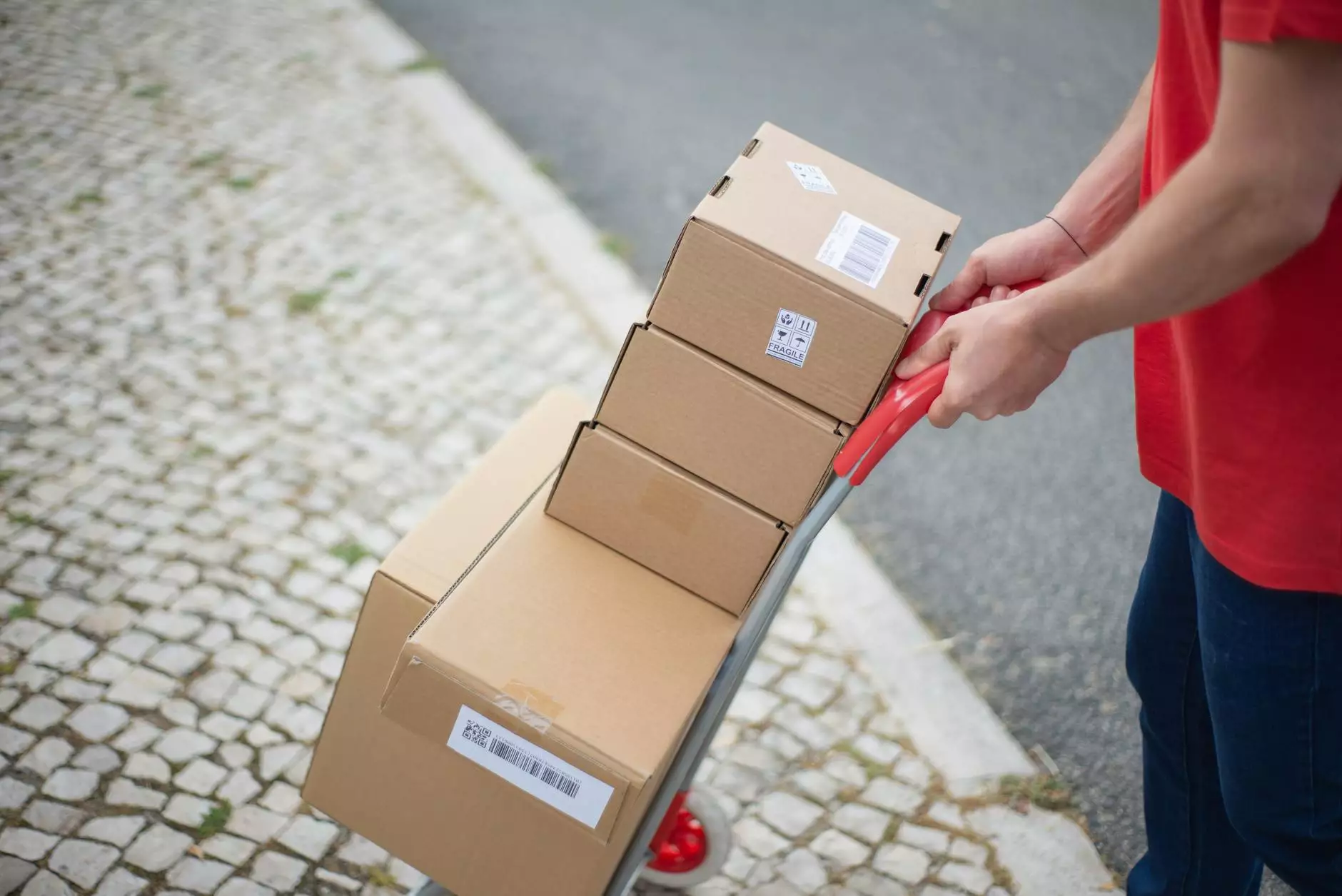
In the fast-paced world of business, efficiency and accuracy are paramount. One of the most effective tools that have emerged to enhance these qualities is the handheld barcode scanner. This compact yet powerful device plays a crucial role in various industries, from retail to warehousing, improving inventory management, and customer satisfaction. In this article, we will delve deep into the numerous advantages, applications, and the future of handheld barcode scanners in modern business settings.
The Evolution of Barcode Scanning Technology
Barcode scanning technology has come a long way since its inception. Originally developed for the grocery industry to track stock and sales, the technology has expanded its reach across multiple sectors, including manufacturing, logistics, and healthcare. Handheld barcode scanners have evolved to become more user-friendly, robust, and versatile, making them an indispensable tool for businesses looking to improve their operational efficiency.
Benefits of Handheld Barcode Scanners
1. Enhanced Accuracy
Manual data entry is fraught with errors. One small mistake can lead to significant issues, such as inventory discrepancies or billing mistakes. Handheld barcode scanners mitigate these risks by allowing users to scan products quickly and accurately, ensuring that information is captured correctly every time.
2. Increased Efficiency
Time is money in any business. Without the use of handheld barcode scanners, employees might spend hours conducting inventory or checking out customers. With a handheld barcode scanner, the process becomes streamlined. Scanning a barcode typically takes a fraction of a second, significantly speeding up checkout lines and inventory management processes.
3. Cost Savings
By reducing the time spent on manual entry and minimizing errors, businesses can save on labor costs and improve productivity. In addition, accurate inventory management prevents overstocking and stockouts, which can further contribute to cost savings.
4. Improved Inventory Management
Handheld barcode scanners enable real-time inventory management, allowing businesses to track stock levels, manage orders, and analyze sales data accurately. This capability helps businesses make informed decisions about inventory procurement and management, ultimately leading to better customer satisfaction and lower operational costs.
5. Versatility Across Industries
The versatility of handheld barcode scanners allows them to function effectively across various industries. They are used in retail settings for checkout processes, in warehouses for inventory tracking, and even in healthcare for managing medication administration. Their adaptability makes them a crucial asset for businesses of all kinds.
6. Improved Customer Experience
Reduced wait times and accurate transaction processing lead to a better customer experience. The ability to quickly locate product information through scanning eliminates the frustration customers often feel when items are misplaced or prices are incorrect. Happy customers are likely to return, further boosting sales.
Applications of Handheld Barcode Scanners
Handheld barcode scanners have a multitude of applications across different sectors. Here are some key areas where these devices excel:
- Retail: Streamlining the checkout process, managing inventory levels, and facilitating returns.
- Warehouse Management: Tracking the movement of goods, managing stock levels, and ensuring accurate order fulfillment.
- Healthcare: Using barcode scanning to administer medication accurately, track patient records, and manage equipment inventory.
- Manufacturing: Ensuring quality control by tracking parts and materials as they move through the production process.
- Logistics: Improving supply chain efficiency by tracking shipments and reducing errors in shipping and receiving.
Choosing the Right Handheld Barcode Scanner
With a wide variety of handheld barcode scanners available on the market, selecting the right one for your business needs can feel overwhelming. Here are some essential factors to consider:
1. Type of Barcodes Supported
Ensure that the scanner can read the types of barcodes commonly used in your industry, such as 1D or 2D barcodes. Many modern scanners are versatile and can handle both formats.
2. Connectivity Options
Choose a scanner that offers the necessary connectivity options, whether it be USB, Bluetooth, or Wi-Fi, to ensure seamless integration with your existing systems.
3. Durability
In industrial environments, durability is key. Look for handheld barcode scanners that are rugged, water-resistant, and can withstand drops from significant heights.
4. Battery Life
Consider the scanner’s battery life, especially if it will be used throughout the day. Longer battery life ensures uninterrupted operations and enhances efficiency.
5. Software Compatibility
Make sure the scanner is compatible with your business's software systems for easy integration and data transfer.
Implementing Handheld Barcode Scanners in Your Business
The implementation of handheld barcode scanners in your business can seem daunting, but by following strategic steps, you can ensure a smooth transition:
- Assess Your Needs: Identify the specific areas where a handheld barcode scanner can provide the most benefit, such as inventory management or checkout processes.
- Choose the Right Technology: Select a scanner that fits your operational needs, considering the factors discussed above.
- Train Your Staff: Implement a training program for your employees to ensure they are comfortable using the new equipment and software.
- Monitor and Optimize: After implementation, monitor the effectiveness of the barcode scanners in improving your processes and make adjustments as necessary to maximize efficiency.
The Future of Handheld Barcode Scanners
The future of handheld barcode scanners is bright, as technology continues to evolve. Innovations such as smartphone integration, enhanced sensor capabilities, and artificial intelligence are set to change the landscape of barcode scanning dramatically. As businesses increasingly adopt automation and data analytics, handheld barcode scanners will become even more integrated into operational workflows, leading to enhanced efficiency, accuracy, and customer satisfaction.
Conclusion
In summary, handheld barcode scanners have proven themselves as an essential asset for modern businesses across various sectors. Their ability to improve accuracy, enhance efficiency, and reduce costs cannot be overstated. Businesses that invest in these tools will undoubtedly see significant operational improvements and a satisfying return on investment. As we move further into the digital age, the role of these scanners will only continue to expand, making them an indispensable component of business success in the future.
For more information and to explore options for purchasing high-quality handheld barcode scanners, visit durafastlabel.ca to find solutions tailored to your business needs.