The Essential Synergy Between Architects and Construction Companies
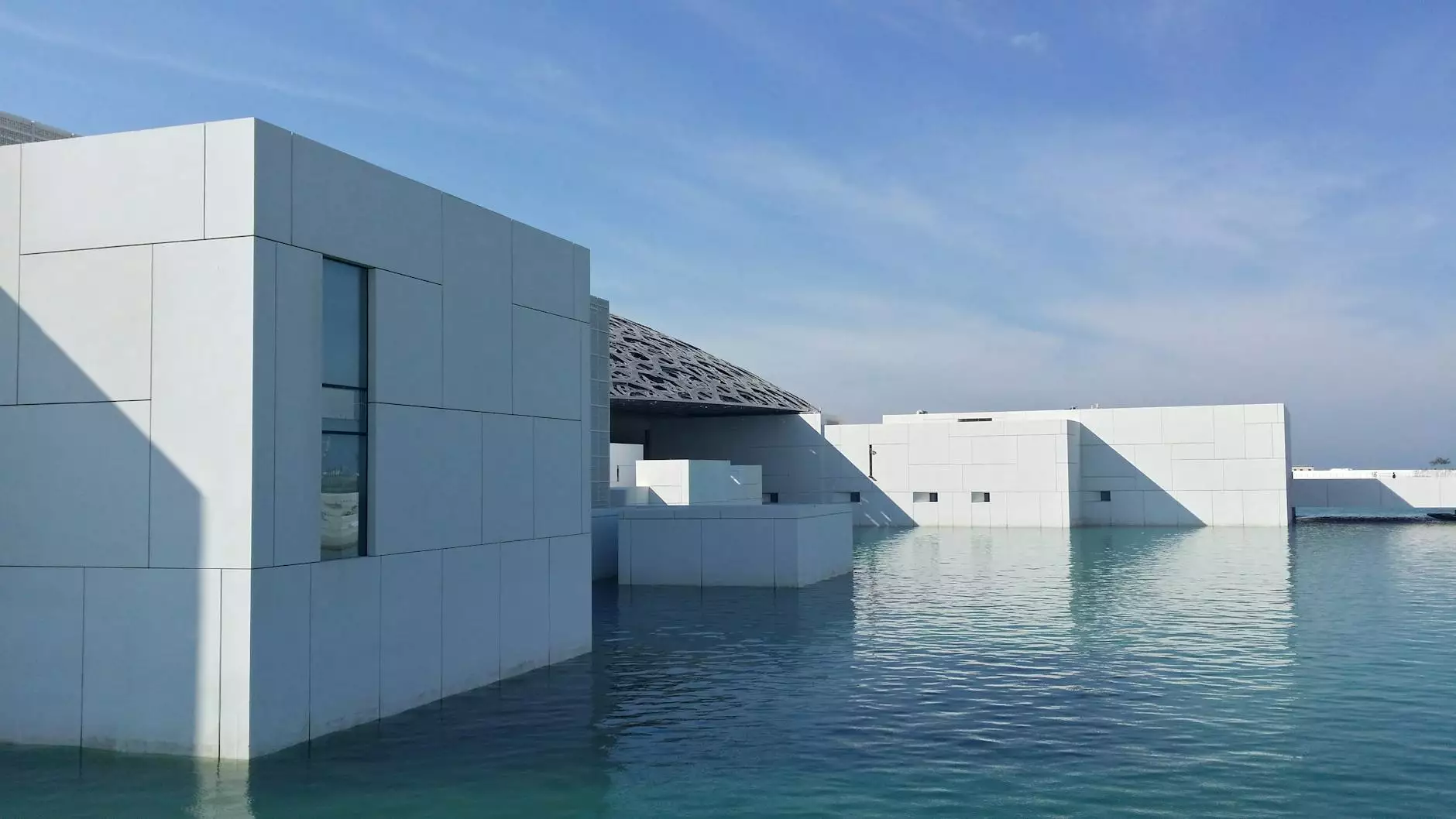
In the evolving world of building and design, an architect and construction company plays a pivotal role in shaping our environments. These two disciplines, while distinct, seamlessly integrate to create structures that are not only aesthetically pleasing but also functional and sustainable. The collaboration between architects and construction professionals lays the groundwork for successful projects, fostering innovation and excellence in every phase of construction.
Understanding the Role of Architects
Architects are the visionaries who conceptualize the design of buildings and structures. Their role transcends mere aesthetics; they blend creativity with functionality and environmental consciousness. An architect's responsibilities include:
- Design Conceptualization: Crafting innovative designs that meet client requirements while considering safety, functionality, and sustainability.
- Regulatory Compliance: Ensuring that designs comply with local building codes, zoning laws, and safety regulations.
- Project Management: Overseeing the project from inception to completion, coordinating between stakeholders, and resolving issues that arise during construction.
The architectural process begins with understanding the client's vision. This initial dialogue is fundamental, as it sets the tone for the entire project. Architects often utilize cutting-edge technology such as Building Information Modeling (BIM) to create detailed 3D models and simulations, allowing clients to visualize their projects before construction begins.
The Role of Construction Companies
If architects are the dreamers, construction companies are the doers. They bring the vision to life, turning blueprints into reality. A reputable construction company is responsible for:
- Site Preparation: Preparing the site for construction, which includes clearing land, excavation, and setting foundations.
- Material Procurement: Sourcing and managing the materials required for construction, ensuring quality and compliance with specifications.
- Labor Management: Hiring and supervising skilled tradespeople, ensuring that builders, electricians, plumbers, and other specialists work together efficiently.
Collaboration with architects is crucial for construction firms, as the success of the project relies heavily on their ability to interpret architectural designs accurately and execute them with precision.
The Collaboration Process
The collaboration between architects and construction companies begins with the preliminary design phases and extends throughout the entire construction process. Here’s a comprehensive look at how an architect and construction company work together:
1. Initial Consultations
Together, architects and construction teams conduct initial consultations with clients to define the project scope, budget, and timeline. This phase is vital for establishing a shared understanding of objectives and expectations.
2. Design Development and Review
During the design development phase, architects create detailed plans and specifications. Construction companies provide input regarding the feasibility of construction methods, materials, and timelines, ensuring that designs are practical and achievable.
3. Pre-Construction Meetings
Pre-construction meetings bring all stakeholders together, including subcontractors and suppliers. At this stage, architects present final designs, while construction firms outline project schedules, permit requirements, and safety protocols.
4. Execution Phase
During the execution of construction, architects may perform regular site visits to ensure that the construction is in line with their designs. This ongoing communication is vital, as it allows for immediate adjustments should any discrepancies arise, thus maintaining the overall vision for the project.
The Importance of Sustainability in Architecture and Construction
As environmental concerns continue to shape the industry, sustainability has become a central theme in the work of architects and construction companies. Sustainable design aims to minimize environmental impact and increase energy efficiency. This is achieved through:
- Use of Sustainable Materials: Sourcing locally produced and recycled materials reduces carbon emissions associated with transportation and minimizes waste.
- Energy-Efficient Designs: Implementing energy-efficient systems and designs, such as solar panels, green roofs, and high-quality insulation, help reduce energy consumption and lower utility costs.
- Water Conservation Techniques: Incorporating systems that manage water efficiently, such as rainwater harvesting and greywater recycling, supports sustainable living practices.
Collaboratively, architects and construction companies can include features such as solar orientation and natural ventilation in their designs, enhancing the sustainability of their projects.
Innovations in Architecture and Construction
The architect and construction company landscape is rapidly changing with advancements in technology and materials. Innovative practices such as prefabrication, modular construction, and the use of drones for site surveying are becoming more prevalent. These techniques not only economize time and resources but also ensure a higher quality of construction.
- Prefabrication: Components of a building are assembled off-site in a factory setting, reducing construction time and material waste.
- Modular Construction: This innovative method allows for entire sections of a building to be constructed in a controlled environment before being transported to the site.
- Drones: Drones are used for aerial site surveys, providing architects and construction managers with real-time data for better decision-making and project tracking.
Challenges Faced by Architects and Construction Companies
Despite the numerous benefits of collaboration, architects and construction companies face challenges that can impact project success. Common challenges include:
- Budget Constraints: A limited budget can significantly affect the scope of a project, requiring careful balance and prioritization between desired features and available resources.
- Communication Gaps: Miscommunication between architects and construction teams can lead to errors and delays, emphasizing the need for clear and ongoing communication throughout a project.
- Regulatory Changes: Navigating through local regulations and building codes can be complex and time-consuming, requiring flexibility and adaptability from both parties.
The Benefits of Hiring a Comprehensive Firm
Hiring a firm that offers both architectural and construction services, such as sthcons.com, can streamline the process significantly. Here are several advantages:
- Integrated Design and Build: A single point of contact simplifies communication and coordination, reducing the risk of misunderstandings.
- Cost Efficiency: Integrated services often result in cost savings, as both teams work together from the project's inception to control expenses effectively.
- Enhanced Accountability: With one firm overseeing the entire process, accountability is clear, leading to improved project outcomes.
Testimonials and Case Studies
Real-world examples are a testament to the power of collaboration in achieving remarkable results. Here are a few notable projects that highlight the impact of effective partnerships between architects and construction companies:
Project One: Eco-Friendly Office Complex
This project, developed by a partnership of architects and construction professionals, stands as a benchmark in sustainable building practices. The use of solar panels, rainwater harvesting systems, and environmentally friendly materials resulted in a structure that significantly reduced its carbon footprint.
Project Two: Urban Residential Development
Located in a bustling city, this residential complex exemplifies urban living's architectural intricacies. Here, the collaboration ensured that every unit provided maximum space and light while adhering to budget constraints.
Project Three: High-Rise Luxury Condominiums
The construction of an intricate high-rise demanded innovative design and engineering solutions. Continuous collaboration between the architect and construction team allowed for the incorporation of cutting-edge technology and modern amenities, resulting in high tenant satisfaction and occupancy rates.
Conclusion: Building a Better Future
The relationship between an architect and construction company is vital in shaping our communities and the built environment. By prioritizing collaboration, embracing sustainability, and leveraging technology, these professionals are well-equipped to tackle modern architectural and construction challenges. As we look towards the future, the synergy of architecture and construction promises to push boundaries, leading to innovative, sustainable, and functional designs that will stand the test of time.
For more information and to see how we can help transform your vision into reality, visit us at sthcons.com.