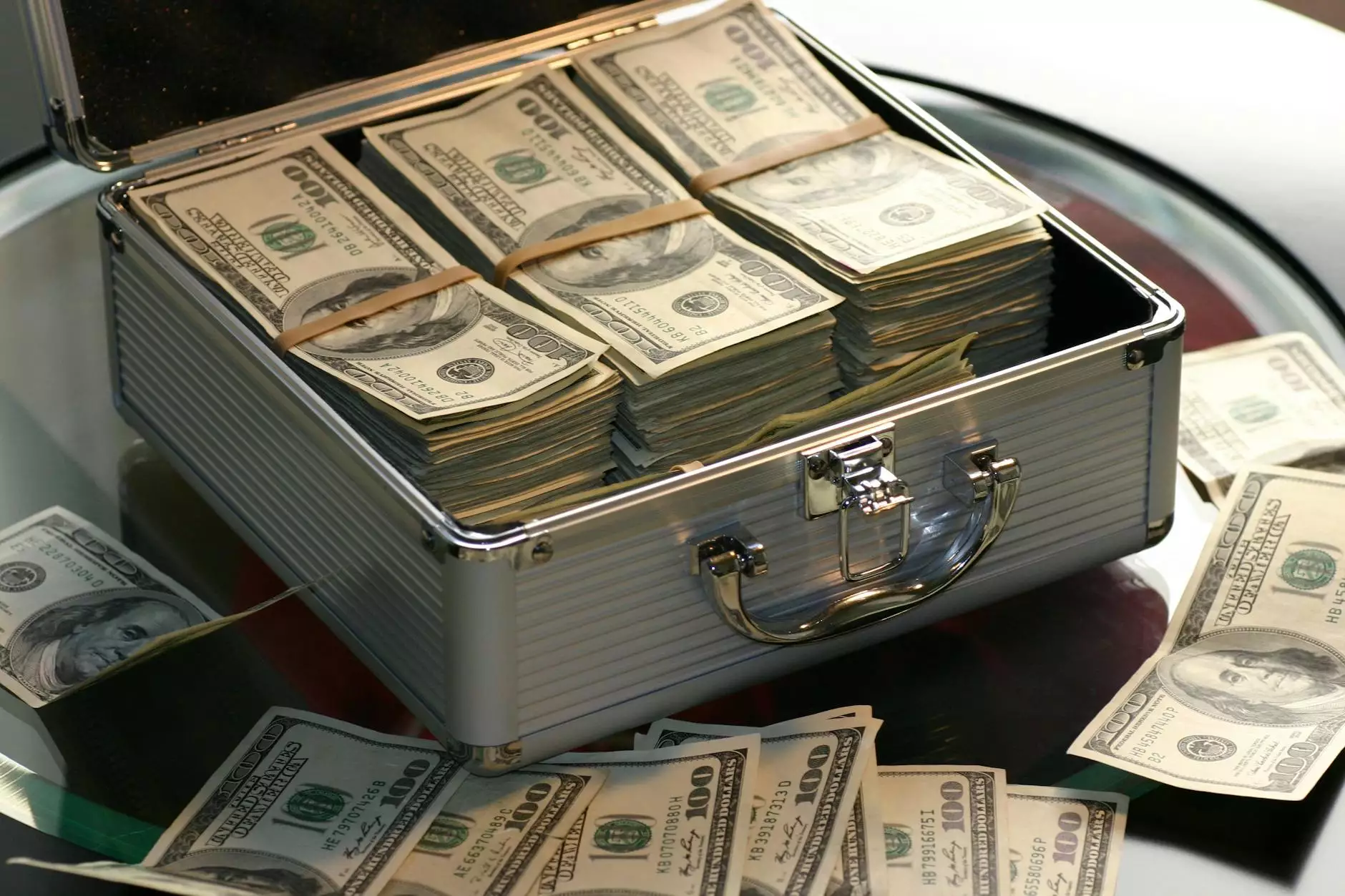
Understanding Counterfeit Bank Notes and Their Impact on Business
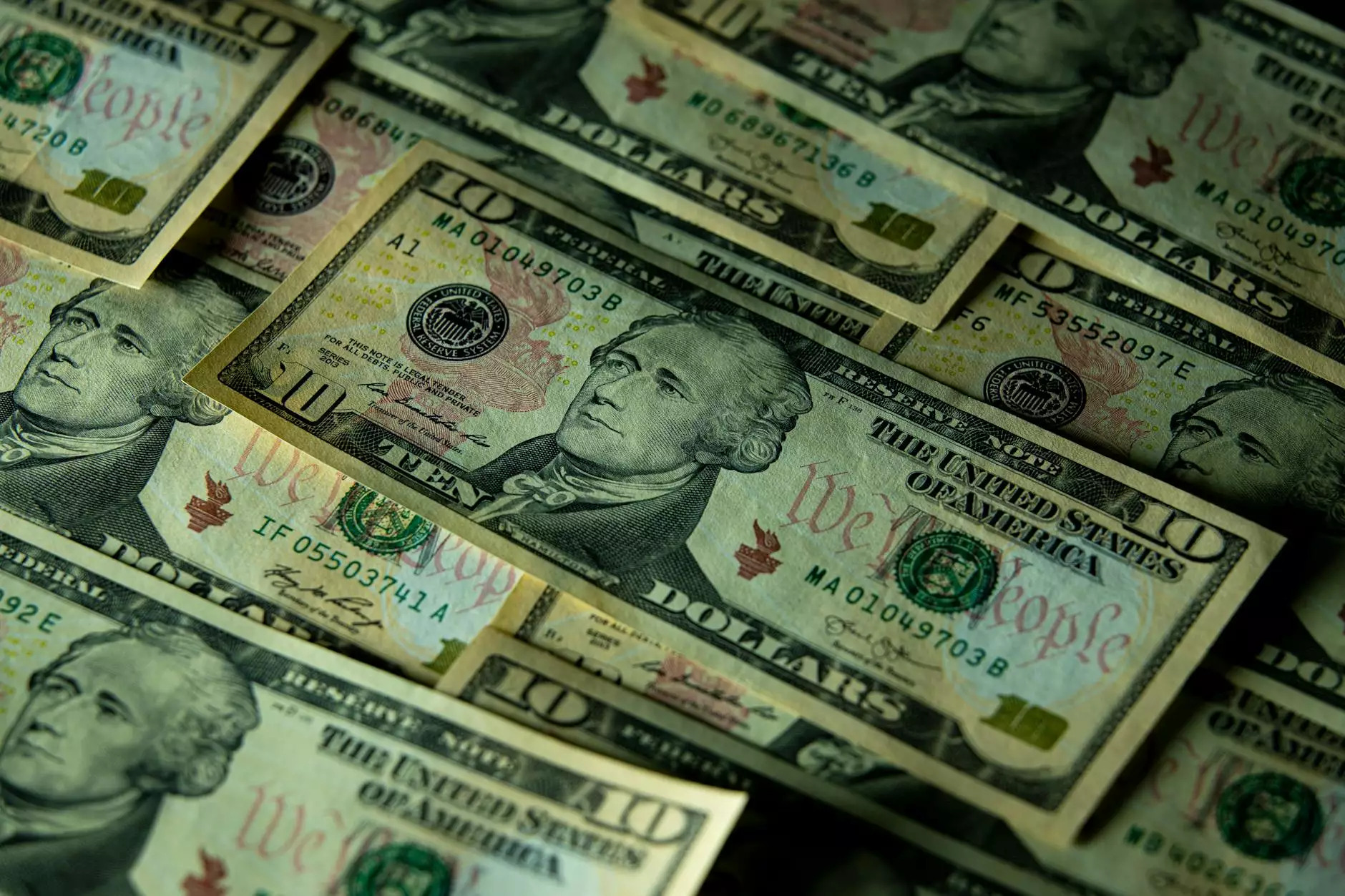
In today’s fast-paced commercial environment, businesses must navigate numerous challenges, one of which is the emergence of counterfeit bank notes. This article delves deep into the world of counterfeit currency, examining its implications on businesses, particularly in the Health & Medical and Pharmacy sectors. Through comprehensive analysis and expert insights, we aim to provide a thorough understanding of how counterfeit bank notes can affect operational integrity and customer trust.
What Are Counterfeit Bank Notes?
Counterfeit bank notes are imitation currency produced with the intent to deceive and defraud. These forgeries often resemble legitimate currency closely but lack the protective features that secure genuine bank notes. As technology advances, the production of counterfeit currency has become increasingly sophisticated, making it more challenging for businesses to identify fake notes.
The Evolution of Counterfeit Currency
The history of counterfeit currency dates back to ancient times. However, with the introduction of advanced printing technology and digital production techniques, the quality and distribution of counterfeit bank notes have burgeoned. Today, counterfeiters employ methods such as:
- High-quality printing presses: Mimicking the look and feel of real currency.
- Digital printing technology: Allowing for mass production of high-fidelity bank notes.
- Graphic design software: Crafting intricate designs that mirror real currency.
Impact on Businesses
Financial Losses
The presence of counterfeit bank notes can lead to significant financial losses for businesses. When a business unknowingly accepts a counterfeit note, they not only lose the value of the note but also the products or services provided in exchange. This can be particularly devastating for small businesses operating on thin profit margins.
Diminished Customer Trust
Trust is paramount in business, especially in sectors like Health & Medical and Pharmacy, where clients expect transparency and integrity. Once a customer discovers that a business has accepted counterfeit currency, their trust may diminish significantly, impacting customer relationships and brand reputation.
Legal Ramifications
Accepting counterfeit bank notes can also have legal implications. Businesses can be held accountable if they fail to implement adequate measures to prevent the acceptance of fake notes. This not only leads to significant financial penalties but could also tarnish a business’s reputation in the community.
Protecting Your Business from Counterfeit Notes
As the consequences of counterfeit bank notes can be severe, it’s critical for businesses to proactively safeguard themselves. Here are several strategies to mitigate risks:
1. Employee Training
Regular training for employees on how to identify counterfeit bank notes is essential. Awareness of security features such as:
- Watermarks
- Security threads
- Microprinting
- Color-shifting inks
can empower employees to spot counterfeit notes and report them immediately.
2. Use of Detection Tools
Investing in counterfeit detection tools can further enhance security measures. Devices such as:
- UV light scanners: Assist in verifying watermarks and security features.
- Magnifying glasses: Allow for detailed scrutiny of ink patterns and microprinting.
- Currency detectors: Automatically determine the authenticity of bank notes.
3. Implementing Strict Cash Handling Procedures
Establishing strict cash handling procedures will help minimize risks. This includes:
- Performing regular cash audits
- Limiting large cash transactions
- Encouraging electronic payments
The Role of Technology in Combating Counterfeiting
Advancements in technology play a crucial role in combating the issue of counterfeit bank notes. Innovative solutions are emerging that enhance counterfeit detection and provide businesses with the necessary tools to secure transactions effectively.
1. Blockchain Technology
Blockchain technology is revolutionizing financial transactions by ensuring transparency and traceability. Every transaction is recorded on a decentralized ledger, reducing the likelihood of counterfeit currency being introduced into circulation. Businesses that adopt blockchain can enhance trust, security, and operational effectiveness.
2. Mobile Payment Solutions
The rise of mobile payment platforms has also contributed to reduced reliance on cash, mitigating the risk of handling counterfeit bank notes. Solutions like Apple Pay, Google Wallet, and other contactless payment methods not only expedite transactions but also enhance security.
Conclusion
In conclusion, the challenge of counterfeit bank notes poses serious risks to businesses across all sectors, particularly in Health & Medical and Pharmacy. By understanding the implications and adopting proactive measures, businesses can effectively safeguard their operations and maintain customer trust. Training employees, using detection tools, and leveraging technology are essential steps in mitigating risks. Furthermore, adopting innovative payment solutions can reduce the dependency on cash, making it easier to navigate today’s complex financial landscape.
For businesses looking to thrive in a competitive environment, addressing the threat of counterfeit currency is not just a necessity but a responsibility to uphold integrity and foster trust within their communities. Protect your business today, and ensure that you stay vigilant against the ever-evolving landscape of counterfeit bank notes.
Explore more on how to keep your business secure. Visit elitbills.com for more resources and information related to safeguarding your financial transactions.