Revolutionizing Logistics and Business Growth with Cutting-Edge Airfreight Software
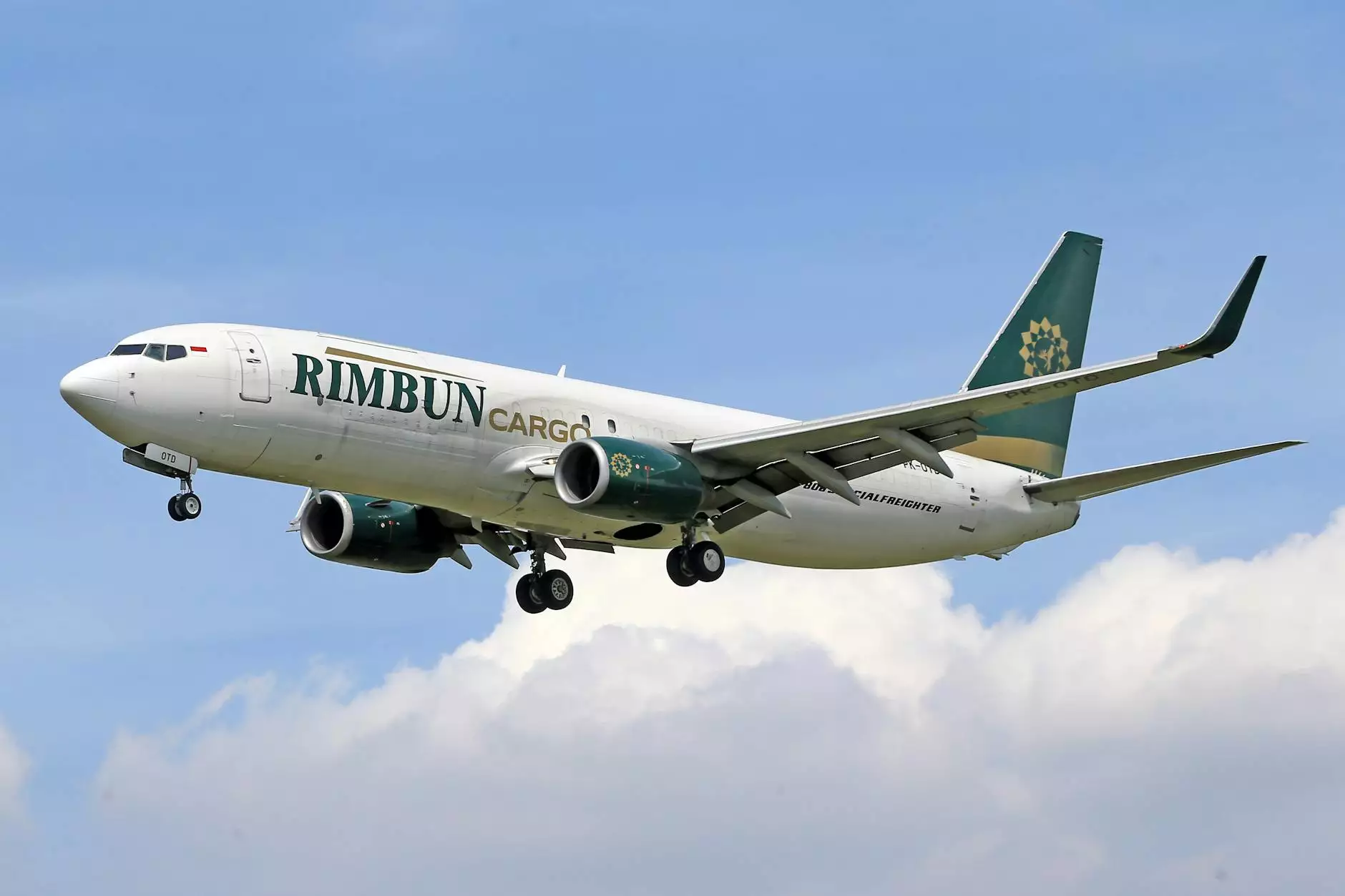
In today’s rapidly evolving global economy, *airfreight* has become an indispensable component of international trade, enabling swift and reliable shipment of goods across continents. As demand for faster, more efficient, and cost-effective logistics solutions intensifies, businesses are turning to sophisticated airfreight software to stay competitive and optimize their operations. This comprehensive guide explores how innovative airfreight software is transforming the landscape of shipping centers, transportation networks, and airports, paving the way for significant business growth.
The Strategic Importance of Airfreight Software in Modern Business
Traditional freight management methods are increasingly inadequate to meet the complexities of modern logistics. The integration of airfreight software offers unparalleled advantages, enabling companies to streamline operations, enhance visibility, and make data-driven decisions. These technologies are critical for handling large volumes of shipments efficiently, reducing human errors, and ensuring compliance with international regulations.
What is Airfreight Software? An In-depth Overview
Airfreight software refers to specialized digital platforms designed to manage all facets of air cargo logistics. These systems facilitate real-time tracking, booking, documentation, customs clearance, invoicing, and analytics. By automating routine tasks and providing comprehensive data insights, airfreight software empowers logistics providers and shippers to operate with greater precision and agility.
Leading airfreight software solutions incorporate features such as:
- Automated Booking & Scheduling: Streamlines cargo reservations and flight planning.
- Real-time Tracking & Visibility: Offers live updates on cargo location and status.
- Digital Documentation & Compliance: Simplifies customs paperwork and regulatory adherence.
- Inventory & Warehouse Management: Manages storage, cargo consolidation, and unpacking.
- Analytics & Reporting: Provides actionable insights to boost efficiency and profitability.
Key Benefits of Implementing Airfreight Software
1. Optimized Operations and Increased Efficiency
Modern airfreight software automates complex logistics processes, from shipment booking to cargo tracking, dramatically reducing manual labor and minimizing operational errors. This automation accelerates delivery times and enhances reliability, ensuring cargo reaches its destination promptly and intact.
2. Enhanced Transparency and Real-Time Monitoring
Comprehensive tracking features provide stakeholders with real-time visibility into cargo status, enabling proactive management of potential disruptions. Increased transparency fosters trust among clients and partners, and supports data-driven decision-making.
3. Cost Reduction and Revenue Growth
By optimizing route planning, reducing idle time, and automating administrative manual tasks, airfreight software helps organizations cut operational costs. Additionally, efficient cargo management leads to higher throughput, presenting new revenue-generating opportunities within shipping centers, airports, and transportation networks.
4. Improved Customer Experience
Fast, accurate, and transparent logistics services translate into higher customer satisfaction. Automated notifications, precise delivery estimates, and seamless booking processes elevate the client experience, fostering loyalty and positive brand reputation.
5. Regulatory Compliance and Risk Management
Adherence to international aviation and customs regulations is critical. Airfreight software ensures compliance through automated documentation, regulatory updates, and audit trails, minimizing legal risks and avoiding costly penalties.
Impact on Shipping Centers and Transportation Networks
Shipping centers are the hubs of cargo handling and distribution, and their efficiency directly influences the entire supply chain. Implementing airfreight software allows these centers to:
- Automate cargo sorting and dispatching based on priority, destination, and available capacity.
- Synchronize schedules across multiple carriers and mode of transportation.
- Improve capacity utilization through predictive analytics for demand forecasting.
Similarly, transportation networks benefit from integrated airfreight software by enabling seamless coordination between air carriers, ground transportation, and warehousing facilities. This cohesive ecosystem reduces delays and optimizes the entire shipment lifecycle.
Enhancing Airport Logistics with Advanced Airfreight Software
Airports serve as pivotal nodes in airfreight logistics, managing large volumes of cargo daily. Airfreight software enhances airport operations by:
- Streamlining cargo throughput with automated check-in, screening, and loading procedures.
- Facilitating cross-department communication through centralized platforms for ramp, security, customs, and airline staff.
- Improving predictive maintenance for handling equipment based on operational data insights.
This comprehensive approach reduces bottlenecks, speeds up cargo processing, and guarantees reliable and timely departures and arrivals.
Choosing the Right Airfreight Software for Your Business
With a multitude of solutions available, selecting the optimal airfreight software requires careful consideration of factors such as:
- Scalability: Can the platform grow with your business needs?
- Integration Capabilities: Compatibility with existing enterprise systems like TMS, ERP, and CRM platforms.
- User Experience: Intuitive interfaces that facilitate quick adoption.
- Customization: Flexible features tailored to specific logistics requirements.
- Security: Robust data protection and compliance with international standards.
Leading providers, such as cargobooking.aero, offer comprehensive solutions designed specifically for the nuanced needs of shipping centers, airports, and transportation companies, ensuring maximum ROI and operational excellence.
Future Trends in Airfreight Software and Logistics Innovation
The future of airfreight software is driven by technological advancements such as:
- Artificial Intelligence & Machine Learning: For predictive analytics, demand forecasting, and autonomous decision-making.
- Blockchain Technology: Enhancing transparency, security, and traceability of cargo documentation.
- Internet of Things (IoT): Real-time sensor data for cargo condition monitoring and predictive maintenance.
- Cloud Computing: Providing scalable, accessible, and collaborative platforms across global operations.
Embracing these trends will enable logistics providers to achieve unprecedented levels of efficiency, security, and customer satisfaction, thus reinforcing competitive advantage in a fiercely contested market.
Conclusion: Why Your Business Needs Advanced Airfreight Software
Implementing airfreight software is no longer just an option but a necessity for businesses seeking to thrive in the dynamic world of logistics. The ability to harness automation, real-time data, and predictive analytics translates into tangible benefits — from cost savings and operational improvements to enhanced service quality and compliance. As the global trade landscape continues to evolve, investing in innovative airfreight software solutions will position your business at the forefront of industry excellence, efficiency, and growth.
Learn more about premium cargobooking.aero and how our tailored airfreight software solutions can propel your logistics operations into the future.
airfreight software