Comprehensive Guide to the Role of the MRI Service Engineer in Modern Healthcare
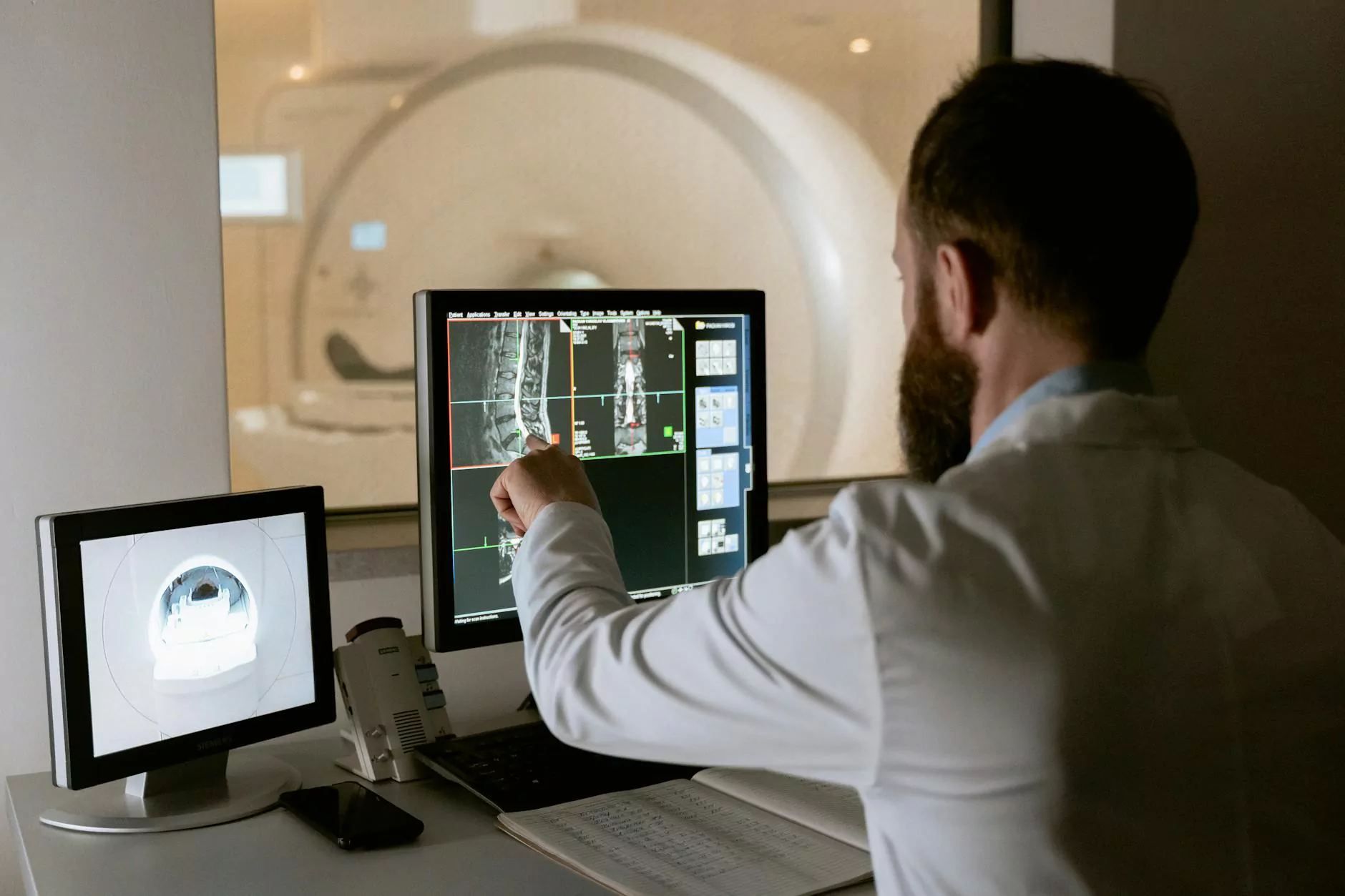
In the rapidly evolving landscape of health and medical diagnostics, Magnetic Resonance Imaging (MRI) remains a cornerstone technology, providing high-resolution, non-invasive insights into the human body. Behind this sophisticated imaging modality stands a crucial profession: the MRI service engineer. These highly skilled professionals are the backbone of operational excellence for MRI systems, ensuring that these complex machines deliver precise, reliable images that are essential for accurate diagnosis, effective treatment planning, and overall patient care.
Understanding the Critical Role of the MRI Service Engineer
The MRI service engineer is a specialized technical expert responsible for the installation, maintenance, troubleshooting, and repair of MRI machines. Their expertise ensures that the imaging equipment functions optimally, minimizing downtime and maintaining compliance with stringent healthcare standards. In the highly regulated environment of health and medical services, their role directly impacts patient outcomes, operational efficiency, and the financial health of medical institutions.
The Significance of MRI Technology in Medical Centers and Diagnostic Services
Medical centers and diagnostic clinics rely heavily on MRI technology for accurate, detailed imaging of soft tissues, brain, spine, joints, and internal organs. The precision and safety of these scans depend on the seamless functioning of MRI systems, which in turn hinge on the expertise of MRI service engineers. These professionals are essential for:
- Preventive maintenance to avoid unexpected breakdowns
- Technical troubleshooting and repairs
- Software upgrades and calibration
- Compliance with safety and quality standards
Key Responsibilities of a MRI Service Engineer
The role of an MRI service engineer encompasses a broad spectrum of technical tasks essential to the dependable operation of MRI systems. Their responsibilities include:
- Installation and Commissioning: Setting up new MRI machines, ensuring all components are correctly configured, and performing initial calibrations to meet manufacturer specifications.
- Routine Preventive Maintenance: Conducting scheduled inspections, cleaning, and software updates to prevent malfunctions and extend equipment lifespan.
- Troubleshooting and Repairs: Diagnosing technical issues, replacing faulty parts, and restoring systems to operational status promptly to ensure continuous patient care.
- Software Management: Installing upgrades, applying patches, and calibrating imaging software to ensure high-quality image production.
- Compliance and Documentation: Maintaining detailed service logs, adhering to health and safety regulations, and ensuring all activities meet industry standards.
Skills and Qualifications of a Highly Effective MRI Service Engineer
To excel in their role, MRI service engineers must possess a blend of technical expertise, problem-solving skills, and soft skills. Essential qualifications include:
- Degree in biomedical engineering, electrical engineering, or a related field
- In-depth knowledge of MRI hardware and software systems
- Experience with electronic troubleshooting and diagnostics
- Familiarity with safety standards like ANSI, ISO, and local healthcare regulations
- Strong analytical and critical thinking skills
- Excellent communication skills to coordinate with clinical staff and vendors
- Certifications such as Certified Biomedical Equipment Technician (CBET) are highly valued
The Impact of MRI Service Engineers on Patient Care and Medical Outcomes
The expertise of MRI service engineers directly influences patient outcomes. When MRI systems operate seamlessly:
- Patients receive faster and more accurate diagnoses
- Healthcare providers can plan effective treatment strategies
- Diagnostic delays and errors are minimized
- Overall healthcare quality improves, enhancing patient satisfaction
Technological Advancements and the Evolving Role of the MRI Service Engineer
Rapid innovations in MRI technology—such as higher field strengths, advanced imaging sequences, and AI-enhanced diagnostics—demand that MRI service engineers continually update their skills. Modern engineers are now involved in:
- Implementing complex software algorithms for improved imaging
- Integrating MRI systems with hospital information systems (HIS) and picture archiving and communication systems (PACS)
- Managing cybersecurity concerns related to medical devices
- Participating in research and development projects to optimize imaging protocols
Choosing the Right MRI Service Provider and Ensuring Top-Notch Support
Healthcare providers should prioritize partnerships with experienced MRI service engineers and support companies specializing in MRI maintenance and repair, such as Echo Magnet Services. Key factors include:
- Certifications and industry reputation
- Availability of 24/7 emergency support
- Comprehensive service plans covering preventive maintenance and rapid response
- Adherence to safety standards and regulatory compliance
- Proven track record with various MRI brands and models
Benefits of Partnering with a Specialized MRI Service Engineer Company
Partnering with a dedicated provider like Echomagnet Services offers numerous benefits:
- Enhanced Equipment Reliability: Minimizing unexpected downtime through proactive maintenance
- Cost Savings: Reducing repair costs and extending equipment lifespan
- Operational Efficiency: Ensuring quick turnaround times for repairs and service
- Regulatory Compliance: Staying up-to-date with evolving standards and certifications
- Expert Technical Support: Access to skilled MRI service engineers with extensive industry experience
The Future of MRI Technology and the Evolving Role of the MRI Service Engineer
The future landscape of healthcare technology promises even more revolutionary developments, such as:
- AI-powered imaging diagnostics
- Portable and low-field MRI devices
- Remote system monitoring and management
- Enhanced integration with other medical devices through IoT
Conclusion: Elevating Healthcare Through Expert MRI Service Engineers
The role of the MRI service engineer is undeniably vital in ensuring the reliability, safety, and advanced functionality of MRI systems within medical centers and diagnostic services. Their expertise not only maximizes the operational lifespan of high-tech imaging equipment but also directly influences the quality of patient diagnostics and outcomes. As healthcare continues to advance rapidly, the importance of skilled, knowledgeable MRI service engineers will only grow, driving innovation and excellence in medical imaging.
For healthcare providers seeking top-tier support, partnering with experienced service providers such as Echomagnet Services guarantees access to expert MRI service engineers dedicated to maintaining and enhancing your imaging capabilities. Invest in excellence today to ensure superior patient care and a healthier tomorrow.